


Same business. Different depths
These are four layers of understanding, often explored within the same conversation.
Surface / Listen
The official picture: financials, systems, organization, and how the business describes itself.
Structural / Catalogue
How work moves from the customer’s call to the invoice being paid, including where practice departs from procedure.
Human / Observe
Who people trust, whose judgment keeps things moving, and who gets called when nobody else knows.
Judgment / Translate
What the findings mean, which risks matter, and what deserves attention first. Operating experience earns its keep here.
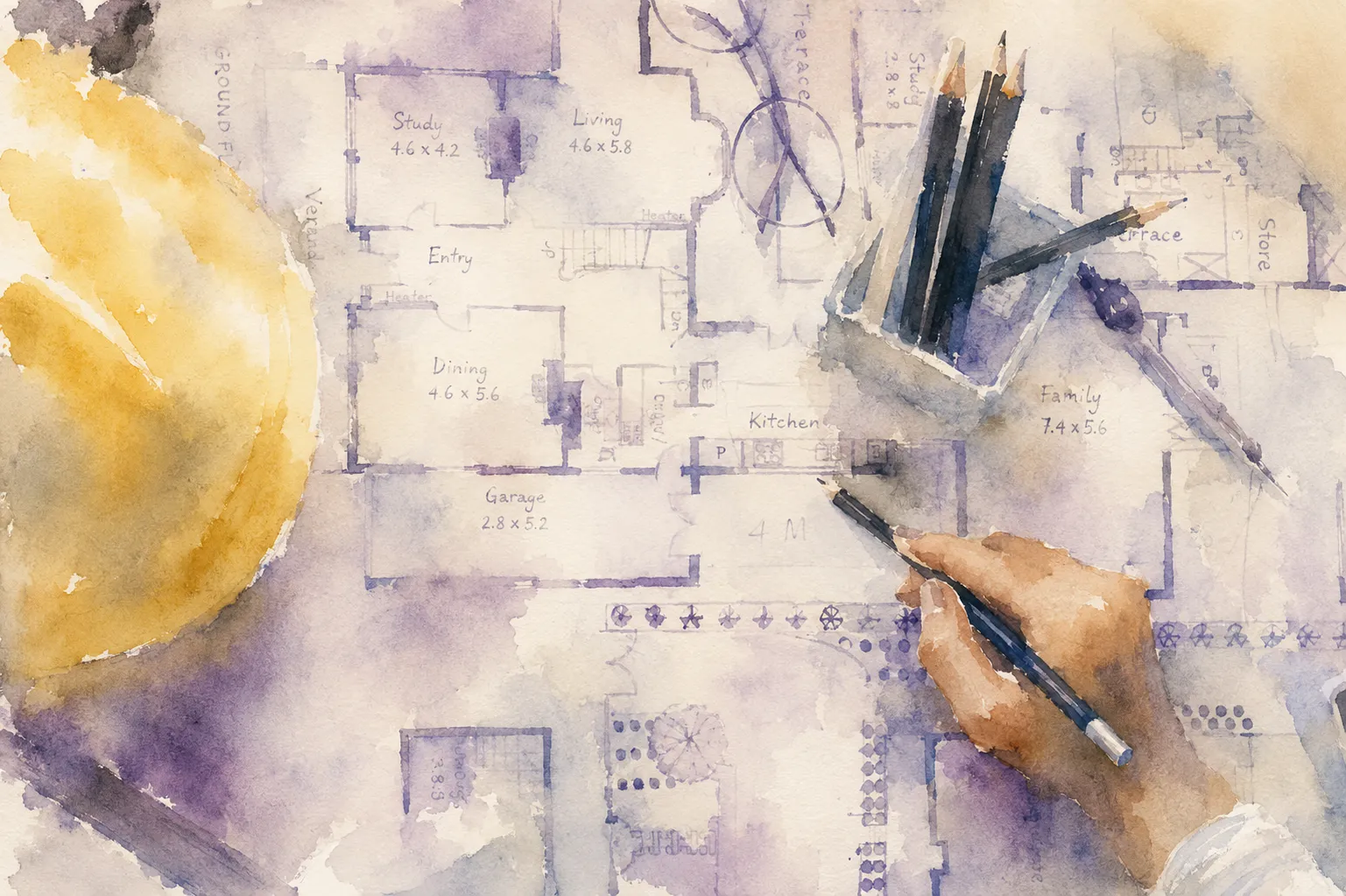
A conversation, with quite a lot going on behind it
These practices give us the depth and evidence the record depends on.
How we ask
Structured, not scripted
Defined coverage, with room to follow an unexpected answer.
Loops and callbacks
We return to someone’s exact words to check our understanding.
How and what, rather than why
We ask people to describe the work without putting them on the defensive.
Start with strength
Begin with what someone does well, then explore the same ground with other people.
How we work
Two in every room
Different experience and attention help one of us catch what the other misses.
Notes and recordings
Notes capture what stands out. Recordings preserve what was said. We need both.
Where the work happens
At the desk, bay, or counter, with the tools and information the person actually uses.
Conversational by design
The method stays in the background so the conversation can flow.
It takes time
Rushing produces less depth, not the same result faster.
People speak for themselves
No supervisor answering on their behalf. People who genuinely share the work can explain it together.
Processed within 24 hours
We review notes, recordings, and open questions while the conversation is fresh.
Roundtables count, too
We record the review conversations, preserving corrections and what needs another pass.